
Construction Companies Should Approach Drone Purchases Carefully
March 18, 2025
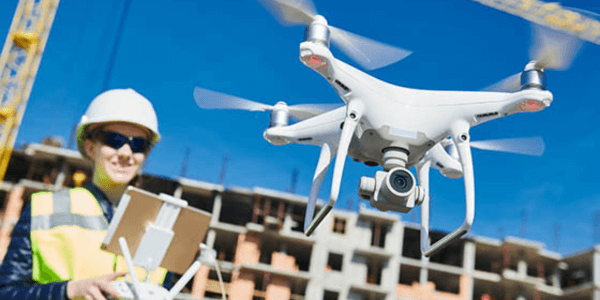
They say there are two kinds of contractors these days: one that uses a drone and another with a drone on back order.
It’s debatable whether anyone actually says this, but the point is unmanned aerial vehicles (as they’re technically defined) — or drones (as they’re commonly called) — have become popular assets on construction and real estate development sites alike. If you’ve decided to take to the skies, approach a drone purchase carefully.
Identify Your Uses
First, clearly identify what you’ll use a drone for before you buy it. These whirring propellered robots can do many things for contractors and developers. Examples include:
-
Collecting data safely and efficiently in hard-to-reach or dangerous areas,
-
Acting as your “eyes in the sky” for monitoring work or strengthening site security, and
-
Capturing visuals to share with project stakeholders or for marketing and listing purposes.
Thanks to recent improvements, drones are expected to play an even larger role in both construction and real estate. Today’s models are tools in the growing field of “reality capture technology,” which uses high-tech processes to digitize the physical world. These include real-time aerial imagery, 3D LiDAR (light detection and ranging) scans, and integration with building information modeling (BIM) software — valuable for site planning, property surveys, and visual documentation for real estate listings.
Again, choose a model based on your company’s specific needs. Investigate specifications such as payload capacity, flight time, range, and camera resolution. Explore features like thermal cameras, obstacle avoidance, GPS tracking, and automatic return to home — all helpful in managing job sites or large residential and commercial properties.
Consider Everything
Once you’ve narrowed your choices to a few models, turn your attention to the total cost of ownership. You must account for much more than the initial purchase price to get the most from the asset and maintain it properly. Other important factors include:
Licensing and compliance. You’ll need to register your drone with the Federal Aviation Administration (FAA) and comply with FAA regulations. For example, drone operators must obtain a remote pilot certificate with a “small UAS rating” or operate under the direct supervision of someone certified. Operators must also follow operational guidelines — such as flying below 400 feet and maintaining a line of sight — that apply whether you’re inspecting a construction zone or surveying a real estate property.
Local governments may regulate drone usage, too. Commercial licensing and operational requirements tend to differ by jurisdiction. Expect fees and possibly other compliance-related expenses.
Insurance. Ensure you have appropriate coverage for drone operations. Accidents or property damage can lead to claims — particularly relevant in populated residential or commercial areas. If your general liability insurance doesn’t cover drone usage, consider adding this coverage or purchasing a standalone drone-specific policy.
Data processing and storage. Drones collect massive amounts of high-resolution data that can be converted into topographic maps or 3D models — useful for everything from site planning to creating compelling visuals for real estate marketing. You may need to invest in specialized software for processing and analyzing this data and secure cloud storage to house it.
Training and maintenance. Be prepared to invest in training your drone operators. They must rigorously follow safety protocols to reduce the risk of property damage and legal exposure. The most common risks include collisions, crashes, and interference with other equipment — risks that apply on job sites and during aerial surveys of real estate properties. Regular inspections and maintenance of your drone are also essential.
Stay Grounded
Getting an adequate return on investment on a drone can be challenging. Some construction and real estate businesses invest in one only to let it sit unused.
That said, when used strategically, these high-flying tech tools can deliver powerful insights, streamline operations, and enhance visual communication. Whether you’re tracking construction progress or showcasing a property’s features from above, we can help you evaluate a drone purchase and understand all the associated costs and potential tax advantages.
© 2025
Latest Posts




Join Our Team
Nisivoccia supports a healthy work-life balance to help our employees thrive.